 You’re


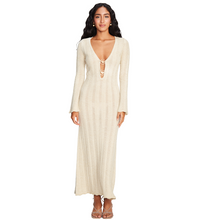



You've worked so hard creating or acquiring hand-knit garments, and knowing how to care for them properly will make each one look as good as the day you finished it. It can be challenging because each fiber will require different care and each garment different techniques. However, if you understand the basics and keep things simple, you'll be able to wear your garments with pride and confidence in caring for them.
Know the Fibers of Your Hand-Knit Garments
The first step to properly caring for your hand-knit garments is understanding what type of fiber they're made of. Not all fibers are equal, and each responds differently to water, heat, and detergents. Cotton garments, for example, are generally more resistant and can tolerate more vigorous washing than wool or alpaca. Natural fibers like wool have natural antibacterial properties, which means they don't need to be washed as frequently as you might think.
If you kept the original material label, check it before washing. There you'll find valuable information about composition and specific care recommendations. Synthetic fibers like acrylic or polyester are usually more tolerant to machine washing, while delicate natural fibers require a gentler touch. When in doubt about the fiber type, always opt for the gentlest method: hand washing with cold water.
The Art of Hand Washing for Delicate Garments

Hand washing may seem laborious, but when you consider the time and care you invested in creating or acquiring your knit garment, spending a few extra minutes is completely worth it. Use a container large enough to completely submerge the garment, whether it's a clean sink, a tub, or a large plastic container. Fill with cold or lukewarm water and add a mild detergent designed for delicate garments.
Liquid dish soap can work perfectly as a mild detergent, being effective enough to remove dirt without damaging the fibers. Submerge the garment without rubbing or scrubbing, let it soak for about five to ten minutes, and move it gently in the water. Never twist or wring hand-knit garments while they're wet, as the weight of water combined with twisting can stretch the fibers and completely deform the garment. When finished, rinse with cold water until the water runs clear and soap-free.
Proper Drying: The Key to Maintaining Shape
Drying is as important as washing when it comes to hand-knit garments. Never hang a knit garment to dry, no matter how tempting it is. The weight of water will make the garment stretch unevenly, especially at the shoulders and sleeves, ruining its original shape. Don't use the dryer either unless you specifically want to shrink or felt the garment.
The correct method is to gently squeeze out excess water without twisting. Then, place the garment on a clean, dry towel, roll it like a cylinder, and press firmly so the towel absorbs as much moisture as possible. Unroll and transfer the garment to a new dry towel, spreading it out in its original shape. Smooth out any wrinkles with your hands and let it air dry on a flat surface, away from direct sunlight and heat sources. This process can take a full day, but it guarantees your garment maintains its perfect silhouette.
Tips for Proper Storage
Hand-knit garments require special considerations when you're not wearing them. Always store them folded, never hung, to prevent fibers from stretching over time. Hooks and hangers are silent enemies of knit garments because gravity constantly works against the fabric structure.
✔ Storage in cool, dry spaces: Store your garments in places away from direct sunlight and humidity. Light can fade natural fibers over time.
✔ Moth protection: Use cedar bags, dried lavender, or essential oils like cedar, rosemary, or eucalyptus to naturally repel moths. A few drops on a cotton ball inside the storage area work wonders.
✔ Clean before storing: Always wash garments before storing them for long seasons. Body oils and residues can attract insects and cause permanent stains.
✔ Breathable containers: Prefer fabric bags or closed plastic containers to protect from dust without creating trapped moisture that could generate mold.
Minor Repairs and Preventive Maintenance

With regular use, it's natural for hand-knit garments to develop small imperfections like minor snags or pilling. Pilling is those little fiber balls that appear on the surface due to friction. Use a specific pilling remover or pumice stone to gently remove them, never scissors, as you could accidentally cut the fabric threads and cause unraveling.
If you notice a snag, don't pull the thread. Instead, use a small crochet hook to gently pull the thread toward the inside of the garment. For more serious repairs, keep small samples of the original yarn if possible, so you can mend any damaged areas almost invisibly. These small preventive attentions can extend the life of your garments for years, even decades.
Special Care for Beach Garments
Knit beach garments like cover-ups, kimonos, and knit sarongs require special attention due to their exposure to salt water, chlorine, and sand. After each use at the beach or pool, rinse the garment with cold fresh water to remove salt and chlorine that can weaken fibers over time. Don't let them dry with these residues, as they can cause stiffness and discoloration.
For knit beach garments, frequent but gentle washing is preferable to allowing residues to accumulate. Use the same hand washing method described above, and always dry completely before storing to prevent mold. If your beach garment has details like beads or embroidery, place it in a mesh bag before washing to protect these decorative elements.
Your Investment in Lasting Beauty
Hand-knit garments represent more than simple clothing: they're artisanal pieces that deserve thoughtful care. Whether it's a crochet cover-up for your beach days or a knit kimono that accompanies you on seaside sunsets, each garment tells a story and deserves to be preserved. With these basic but essential care practices, your knit pieces will remain beautiful season after season, accompanying you through countless special moments.
The time you invest in properly caring for these garments isn't just maintenance—it's an act of appreciation for the art and craftsmanship they represent. Each gentle wash, each careful drying, and each appropriate storage contributes to your favorite garments accompanying you for many more years.
💛 Do you have special knit garments that deserve the best care? Discover our collection of artisanal beach pieces and learn to keep their beauty intact. 👉 Invest in quality that lasts 🌊✨