 Spend
Spend 


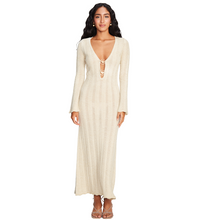
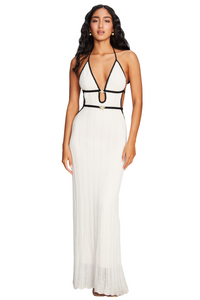


Walk into any swimwear store and you'll face an overwhelming rainbow of options. Vibrant reds, electric blues, emerald greens, intense fuchsia, classic blacks, pristine whites, sophisticated earth tones - the variety is infinite and paradoxically paralyzing.
You try on that coral bikini that looked amazing on the mannequin and suddenly your skin looks dull and grayish. Then you attempt that trendy mint green and end up looking completely washed out. Frustrated, you wonder if there's any color that simply works without having to become an expert in color theory.
The good news is that yes, it exists. There's one bikini color that transcends all traditional rules about warm versus cool skin tones, fair versus dark skin, yellow versus pink undertones. This universal color doesn't just "work" on all skin tones - it actively enhances them, illuminates them, and makes them look more radiant whether you're extremely pale or have deeply dark skin.
It's not a marketing trick or an exaggeration, it's an optical and scientific principle that professional stylists and designers have known for decades but few people truly understand or leverage. Get ready to discover the best-kept secret in the swimwear world and the fascinating science that explains exactly why it works so universally.
The Universal Color Revealed: Pure White (And No, It's Not What You Think)
The color that absolutely flatters all skin tones is pure white - but probably not for the reasons you imagine. We're not talking about a subtle effect or a minor advantage. We're talking about a dramatic visual impact that literally transforms how your skin looks when you wear it.

The science of maximum contrast: Pure white creates the strongest possible visual contrast against any human skin tone. No matter how fair your skin is - it will always be darker than pure white. And no matter how dark your skin is - white will always create a notable tonal difference. This contrast makes your skin look more vibrant, more defined, and more luminous through simple visual comparison. It's the same principle by which a black and white photo can look more dramatic than one in color - pure contrast captures the human eye's attention in a unique way.
Why it surpasses all other colors: Other colors flatter according to your specific tone - fuchsia can look incredible on warm skin but overwhelming on very cool skin, emerald green enhances olive skin but can dull very fair skin. White, on the other hand, doesn't discriminate. It works with the complete spectrum because its power doesn't come from harmonizing with your undertone but from creating a visual frame that allows your natural skin to shine. If you want to explore how other specific colors interact with different skin tones, our complete guide on the 6 most flattering bikini colors according to your skin tone delves into all the specific options beyond universal white.
The documented "brightening" effect: Sabra Krock, creative director of Everything But Water, explains it perfectly: "White is a skin brightener on all skin tones. It's instantly chic, the quintessential summer hue." White reflects light back toward your face and body, creating a natural illumination effect that makes your skin look literally brighter and healthier. This optical phenomenon is measurable and consistent across all skin tones.
How It Works on Very Fair Skin: The Power of Soft Contrast
Women with very fair skin frequently avoid white for fear of looking "too pale" or "washed out". This is one of the biggest misconceptions in the beachwear fashion world.
The truth about fair skin and white: White doesn't make you look paler - it makes you look luminous. On very fair skin, white creates an elegant and sophisticated contrast that enhances your natural tone instead of competing with it. While beige or cream colors that are too close to your skin tone can make you look washed out, pure white creates enough visual separation for your skin to stand out as its own entity.

The sunless tan effect: One of the most dramatic benefits of white on fair skin is that it makes any tan you have (even the slightest) look more pronounced and visible. If you've spent even one day under the sun, the white contrast will make your tanned skin look more golden and warm. And if you have no tan at all, white simply makes your fair skin look perfect porcelain instead of pale.
The historical elegance of white on fair skin: There's a reason why style icons like Grace Kelly, Audrey Hepburn, and more recently celebrities like Emma Stone and Nicole Kidman consistently choose white for the beach. White on fair skin is the definition of classic elegance and timeless sophistication that never looks common or boring.
How It Works on Medium and Olive Skin: The Perfect Balance
Medium and olive skin tones have the advantage of being able to wear practically any color - but white remains superior for specific reasons related to visual balance and versatility.

Highlighting the natural golden undertone: Medium and olive skin frequently have beautiful warm, golden undertones that many bikini colors can overshadow or visually compete with. White, being neutral, allows these natural undertones to shine completely. Your golden or tanned skin looks richer and more radiant against pure white than against practically any other color.
The "fresh from the beach" effect: On medium skin tones, white creates that aspirational look of "I just spent weeks at a Mediterranean villa" that's impossible to replicate with other colors. There's something about the contrast of tanned skin and pristine white that instantly communicates luxury vacations, relaxation, and that enviable beach lifestyle.
Incomparable photographic versatility: If you like taking beach photos (and let's be honest, who doesn't?), white on medium skin creates the most impactful photographs. The contrast translates beautifully on camera, making you stand out against any background - golden sand, turquoise water, green vegetation, or blue sky. Other colors can visually disappear or clash with the environment, but white always works.
How It Works on Dark Skin: The Most Dramatic Contrast of All
This is where white really shows its universal power. On dark and deep skin, white creates the most dramatic and dazzling visual contrast possible.
The power of extreme contrast: Dark, deep skin against pure white creates a visual effect that literally stops gazes. This maximum contrast makes your skin look incredibly rich, deep, and luminous in a way that no other color can replicate. While vibrant colors like neons or jewel tones also look beautiful on dark skin, white has a quality of sophistication and elegance that elevates the entire look.

Celebrating skin tone instead of "matching": Many color guides suggest that dark skin should choose colors that "harmonize" with their tone. White takes the opposite approach - it celebrates your skin tone by creating the cleanest possible visual frame that allows your natural beauty to be the absolute focal point. There's no competition, no distraction, just your beautiful skin standing out against the purest canvas.
The natural "glow" effect: White reflects light toward the skin in a way that creates a natural glow effect particularly beautiful on dark skin. This light reflection makes your skin look radiant and healthy without needing highlighter products or shimmer. It's that "lit from within" effect everyone seeks, created simply by the physics of how light interacts with white-on-dark-skin contrast.
The Psychology of White: Why It Makes You Feel Different
Beyond visual science, white has a unique psychological impact that affects both how you look and how you feel wearing it.
The perception of cleanliness and freshness: White is psychologically associated with cleanliness, freshness, and purity. When you wear a white bikini, you subconsciously project these qualities - you look more polished, more groomed, more "put together" even in the casual beach environment. This isn't superficial - numerous studies in color psychology confirm that white communicates these attributes consistently across cultures.
The confidence factor of the "statement piece": Wearing white at the beach requires a certain level of confidence - and paradoxically, the simple act of wearing it increases that confidence. White doesn't allow you to hide or disappear into the background. It forces you to occupy visual space, to be seen, to stand out. This visibility, though intimidating at first, frequently translates into an empowered feeling of "I'm doing this, I look amazing, and I know it."
The association with luxury and sophistication: In the context of beach fashion, white is strongly associated with luxury destinations - think yachts on the French Riviera, exclusive resorts in the Maldives, sophisticated beach clubs in Ibiza. Wearing white automatically brings these associations, making any beach feel a bit more glamorous.
The Real Challenges of White (And How to Completely Overcome Them)
Let's be honest - white has legitimate practical challenges we can't ignore. But each one has simple and effective solutions.
The fear of transparency when wet: This is the number one fear that keeps women away from white. The solution is surprisingly simple: double layer of fabric. Quality white bikinis are specifically designed with double lining or high-density fabric that maintains opacity even when completely wet. Before buying, verify that the bikini has complete lining in both top and bottom. Do the water test: dampen a corner in the store (with permission) to verify opacity. Capittana white bikinis, for example, are specifically designed with double fabric technology to avoid any transparency.
The staining and maintenance problem: Yes, white requires more care than dark colors. But with correct techniques, it stays pristine season after season. Rinse immediately after use with cold water to remove salt, chlorine, and sunscreen before they settle. Hand wash with mild detergent specific for delicates within 24 hours of use. For sunscreen stains (white's number one enemy), pre-treat with a mixture of baking soda and water before washing. Never use bleach - it damages fibers and causes yellowing. Air dry in shade, never in direct sunlight which can cause discoloration.
The concern about visible tan lines: Some avoid white because it makes tan lines more noticeable. But this can actually be an advantage - knowing exactly where you have lines allows you to apply self-tanner or adjust your sun exposure more effectively. Alternatively, wear your white bikini when your tan is even, and save other colors for when your tan is in transition.
How to Choose the Perfect White: Not All Whites Are Equal
Here's the secret stores don't always tell you: there are multiple shades of "white" and not all are equally universal.
Pure white versus off-white: The truly universal white is pure, bright white (also called "optic white" or "pure white"). This is the brightest white without any yellow, cream, or gray undertone. "Off" whites like ivory, cream, or bone have undertones that make them less universal - they may flatter some skin tones but not all. If you're going to invest in a single white bikini, make sure it's pure white.
The importance of fabric quality: A cheap white bikini in thin fabric will never look as good as a quality one in thick, well-constructed fabric. Quality fabric maintains its bright whiteness wash after wash, while cheap fabrics can become grayish or yellowish quickly. Invest in quality when it comes to white - the difference is noticeable and lasting.

Finishes and textures that work: Plain white is classic, but white with added texture (like crochet, embroidery, or honeycomb weaves) can be even more flattering because it adds visual dimension without compromising the color's power. Finishes with light shimmer or satin also work beautifully because they enhance white's light-reflecting effect. What you want to avoid are completely matte finishes that can look a bit flat.
Styling White: How to Maximize Its Visual Impact
White is so versatile that you can create completely different looks simply by changing how you style it and what accessories you add.
The total minimalist look: White bikini + accessories also in white or neutrals (natural straw hat, jute bag, natural leather sandals). This look is absolute elegance, very Phoebe Philo-on-vacation. Perfect for sophisticated beach clubs or when you want that quiet luxury aesthetic that currently dominates.
The strategic pop of color: White bikini as neutral canvas + one accessory in vibrant color (fuchsia sarong, turquoise hat, coral sandals). White allows that color pop to really shine without visual competition. This look is fun, fresh, and perfect for creating different looks with the same bikini simply by changing the color accessory. For more ideas on how to create complete and versatile looks, explore our beach vacation outfit ideas that perfectly complement your white bikini.
The metallic glam: White bikini + accessories in gold or silver (metallic sandals, statement jewelry, bag with metallic details). This look elevates white from casual to glamorous, perfect for pool parties or when the beach turns into happy hour.
The modern bohemian: White bikini + accessories in earth tones (terracotta sarong, camel-colored hat, woven sandals). This look is warm, relaxed, and has that "global traveler" vibe that looks incredibly chic currently.
When to Wear White: Strategic Timing Matters
Although white flatters universally, there are specific moments where its impact is maximum and others where you might want to consider alternatives.
The best moments for white: During beach destination vacations where you really want to stand out in photos. At pool parties or beach social events where visual impression matters. When your tan is at its peak - the contrast will be dazzling. On beaches with turquoise or vibrant blue water - white creates incredible photographic contrast. For days where you'll mainly sunbathe and socialize instead of intense water activities.
When to consider alternatives: During your menstrual period (for obvious practicality reasons). On beaches with very fine, powdery sand that adheres to wet fabric - white will show this more than dark colors. For super active water activities like surfing where the bikini will be constantly submerged and dragged. In the first days of using self-tanner that may still transfer.
The smart rotation strategy: Instead of thinking of white versus other colors as an absolute choice, think of white as your "luxury bikini" - the one you wear when you want to look absolutely amazing and you're willing to give it the extra care it requires. Complement with 1-2 bikinis in other colors for more casual days or more intense activities.
The Photographer's Science: Why White Always Wins in Photos
If you've ever wondered why influencers and travel bloggers consistently wear white in their beach photos, there are very specific technical reasons beyond simply "it looks pretty."
Automatic exposure balance: Cameras (including smartphone ones) use the brightest object in the frame to calculate exposure. When you wear white, your bikini becomes that reference point, which makes the camera adjust exposure so your skin looks perfectly exposed - neither overexposed nor underexposed. Other colors can confuse this automatic calculation.
The contrast that survives editing: When you edit photos (adjusting brightness, contrast, saturation), white maintains its visual impact through any adjustment. Other colors can look weird when you adjust filters, but white simply becomes more or less bright without losing its essence. This makes your white photos more "edit-proof" and versatile.
Infinite background versatility: White works against literally any background - golden sand, gray rocks, green vegetation, blue water, orange sunset sky. There's no background combination where white clashes or visually disappears. Other colors need strategic background planning, white never requires it.
Beyond White: Understanding Why It Works Helps You With All Colors
Understanding why white is universally flattering gives you the tools to evaluate any bikini color more intelligently.
The contrast principle applied: White's power comes from creating maximum contrast. This principle tells you that for any skin tone, colors that create strong contrast (not necessarily the most extreme contrast) will be more flattering than colors that almost match your skin. If you have fair skin, this means dark and vibrant colors will be flattering. If you have dark skin, both very light colors and bright neons will create that desirable contrast.
Light reflection as an advantage: White flatters because it reflects light toward your skin. This principle tells you that light and bright colors will generally be more flattering than dark and dull colors because the former reflect more light. Even within the same color family - a vibrant coral will be more flattering than a muted coral because it reflects more light.
Neutrality as strength: White works universally because it's neutral - it has no warm or cool undertone that can clash with your skin. This principle tells you that when you're unsure, choosing more neutral colors within each family (a true blue instead of a blue-green, a true red instead of a red-orange) will be safer because it minimizes the risk of conflict with your undertones.
White isn't just "one more color" - it's the only color that genuinely transcends all the rules and restrictions of skin tone matching. Its universal power comes from simple scientific principles: maximum contrast, optimal light reflection, and perfect neutrality. These combined factors make any person, regardless of their skin tone, look more radiant, more luminous, and more beautiful when wearing it.
Now that you understand not just what color works but exactly why it works, you have the knowledge to choose bikinis with confidence and create looks that make you feel absolutely spectacular. 🤍✨

Summer Elegance: The Bikini Collection
Our bikinis are designed to accompany you with style on your sunny days. With flattering cuts, ideal support, and unique prints, they are perfect for tanning or enjoying a swim in the sea. From classic designs to the latest trends, we have an option for every style.