 Spend
Spend 


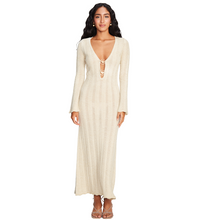
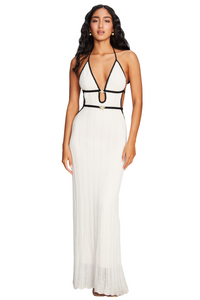


A halter dress does something very few garments can: it elongates the neck, frames the face, reveals the shoulders, and creates an open back that communicates elegance without needing any extra embellishment. It's one of the most photographed silhouettes of summer — and that's no coincidence.
However, not all halter dresses work the same way for every body. The width of the neckline, the type of strap, the hem cut, and the fabric completely change how the garment looks and feels. Choosing well isn't a matter of luck — it's a matter of knowing what to look for.
These 5 tips will help you find the halter that works best for you, and style it so the look has coherence from start to finish.
Tip 1: Understand what the halter neckline does to your silhouette

Before thinking about sizing or colors, it helps to understand the visual logic of the halter neckline: its strap draws the eye upward, toward the neck and face. This automatically balances a figure with wider hips than shoulders, because it redirects attention to the upper body.
For pear-shaped bodies — narrower shoulders, wider hips — the halter is one of the most flattering silhouettes that exist. It creates the illusion of broader shoulders and balances proportions. For inverted triangle bodies — broad shoulders, narrow hips — it works best when the strap is thin and the neckline has a soft V-cut that lengthens the neck without adding volume at the top.
For rectangular bodies — with little waist definition — a halter with a waist-cinching cut or draped torso creates the illusion of curves. For hourglass figures — well-defined waist, proportionate bust and hips — practically any version of the halter works beautifully.
Tip 2: Choose the length based on your height and the occasion
The length of a halter dress is one of the factors that most changes the final result, and it's often overlooked. The general rule is simple: the taller the figure, the more options are available; the shorter the figure, the more important it is to choose the length carefully.
For petite figures, short or midi halter dresses — ending just below the knee — create the impression of extra height by visually lengthening the leg. Maxi dresses also work well as long as the fabric is fluid and the strap isn't too thick, to avoid visually shortening the torso.
For taller figures, the maxi halter is the most elegant and editorial option. A long dress with a clean fall and halter strap is exactly the combination dominating resort runways in 2026 and the most curated style feeds.
As for occasion: the short or midi halter is perfect for a beach day, a coastal stroll, or a casual lunch. The maxi halter covers every scenario, from the sand to dinner.
Tip 3: The fabric changes everything

Two halter dresses with exactly the same cut can look completely different depending on the fabric. A crochet halter has a beachy, artisanal character. The same design in silk or satin becomes an evening dress. In linen it's minimalist and effortless. In ribbed knit it's more structured and contemporary.
For summer and the beach, the fabrics that work best in a halter are linen, premium cotton, chiffon, crochet, and lightweight knits. They all breathe well, drape naturally, and don't cling to the body in the heat.
An important note: fabrics with drape — chiffon, silk, viscose — are more flattering on figures with pronounced curves because they flow without clinging. More structured fabrics — knit, thick linen — work better on straighter figures that want to create the illusion of volume.
Tip 4: Accessories designed for the neckline
The halter neckline creates a very defined focal zone: the neck, the collarbone, and the nape. That means accessories need to be chosen with that area in mind — not based on the garment as a whole.
The most practical rule: when the halter has a thin strap, earrings can take center stage — medium hoops, discreet drop earrings, matte gold pieces. When the strap is wider or more structured, earrings should be simple to avoid competing with the neckline.
Necklaces are the trickiest accessory with this neckline. Generally, short choker-style necklaces work well with high-neck halters. Long or Y-shaped necklaces pair nicely with deep V-necklines. Mid-length necklaces — the most common — tend to compete visually with the strap and are best avoided.
For the beach: a wide-brim hat, a raffia bag, and flat or leather sandals are the most balanced combination with any summer halter dress.
Tip 5: Adapt the halter to your aesthetic without losing coherence

One of the greatest strengths of the halter dress is that it doesn't belong to a single aesthetic: it can be minimalist, romantic, boho, or elegant depending on the fabric, color, and accessories. The key is that the entire look tells the same story.
If your style leans toward quiet luxury, a maxi halter in a neutral color — cream, sand, camel, black — with a clean strap and flowing fabric is the perfect starting point. Matte gold accessories and a raffia or leather bag complete the look without disrupting it.
If you prefer a more expressive and romantic aesthetic — bows, lace, ruffles — the principles of coquette style also have their halter dress version: a design in blush pink or off-white with delicate details at the neckline or hem works perfectly within that logic.
What to avoid in any case: mixing aesthetics that don't speak the same language. A boho halter with understated luxury accessories creates visual noise. A minimalist halter with maximalist accessories doesn't work either. Coherence is what turns a good dress into a great look.
The halter: a piece that always comes back
The halter dress is not a seasonal trend — it's a timeless silhouette that returns every summer in new versions because it solves exactly what beach clothing needs to solve. It reveals the shoulders, elongates the neck, leaves the back open, and creates a neckline that looks effortlessly good.
The difference between wearing it well and wearing it just okay comes down to those five details: understanding what it does to your silhouette, choosing the right length, getting the fabric right, thinking about accessories in relation to the neckline, and maintaining aesthetic coherence from start to finish.
With that resolved, the halter becomes exactly what it promises: a piece that needs nothing else to work.